


Grand Goddess: Core Era
4.6179.00 Reviews
App Specs
- Version
- 1.4.8
- Updated On
- License
- Free
- Downloads
- 100,000+
- Developer
- Spread Games Limited
- Categories
- Adventure
- Platform
- Android
Screenshots


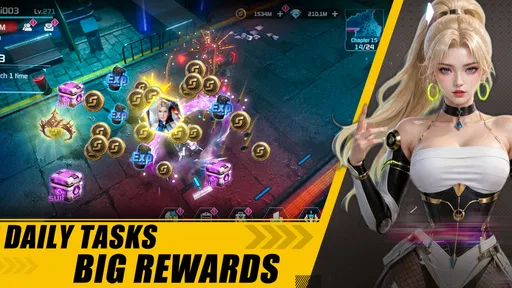
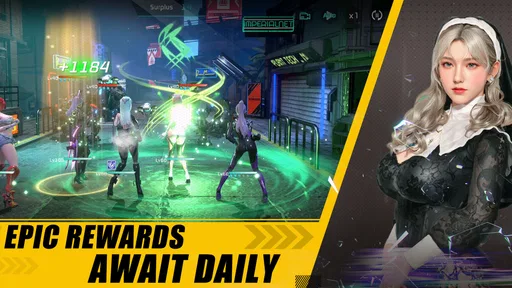
 Analysis by AppCompare
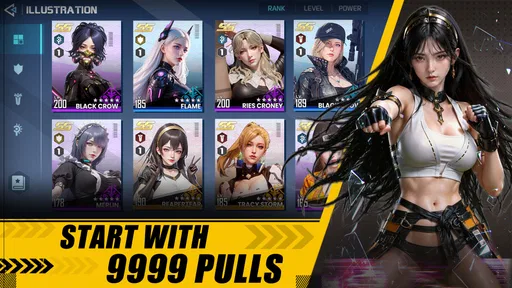
I tend to judge a mobile adventure game by what happens after its opening burst of novelty. Does it give me a reason to return on an ordinary day, or does it start to feel like another task list? Grand Goddess: Core Era makes an immediate pitch with its fantasy setting and a login reward promising 9999 summons. That is a striking hook, but I’d treat it as an invitation to explore rather than proof that the game will hold my attention indefinitely.
It is a free adventure game from Spread Games Limited, rated for Everyone, and it has an average rating of 4.5 from around 6,500 ratings, with over 100,000 installs. It first appeared on May 22, 2025, and version 1.4.7 is listed for devices running Android 5.1 or later. Those details make it easy to try, but the more useful question is whether its routine fits the way you like to play.
How the game holds up beyond the first session
I’d judge its staying power by whether I can return with one clear purpose instead of feeling obliged to check every activity. For me, that distinction is what turns a generous opening into a sustainable habit: choose the story, strategy, or social play that actually feels rewarding, and let the rest wait. The next question is how that mix works over a longer stretch.
The first-week appeal: a generous-looking entrance
When I first opened Grand Goddess: Core Era, I was immediately drawn in by the stunning graphics. Seriously, the visuals are top-notch, and it feels like you're stepping into an entirely new universe. The game kicks off with a brief tutorial that’s not overly hand-holdy, which I appreciate. It gives you just enough info to get started but leaves plenty for you to discover on your own.
The first sessions are best approached as a tour, not a race. I’d take time to notice which parts of the interface keep pulling me forward and which explanations I may need to revisit. A large summon offer can make it tempting to spend every resource immediately, but pausing to understand the game’s choices first is a more useful habit. That way, early excitement does not become a pile of decisions made before you know what you enjoy.
This is a good fit if you like fantasy worlds and want a mobile game that gives you several things to investigate rather than one narrow activity. It is less suited to someone looking for a quiet, self-contained story with a clear ending: the game’s appeal, as presented, leans toward ongoing play and returning to its different modes. If you only want something for a short commute, it may still work, but I’d avoid assuming that every session will feel equally focused.
Gameplay Mechanics: Easy to Learn, Hard to Master
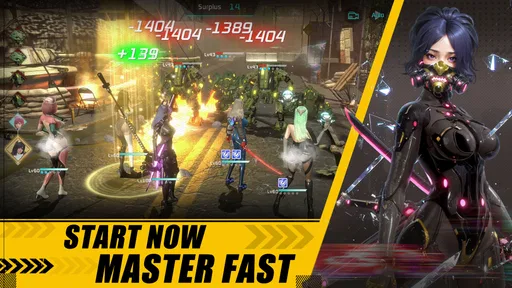
The gameplay is where this app shines. You’re tasked with building your empire, and it’s all about strategy. Think of it as a mix between a city-builder and a tactical RPG. You’ve got to manage resources, build structures, and recruit heroes. The twist? Each hero brings unique abilities to the table, making every decision crucial. It’s like chess meets fantasy, and I’m all in!
Worth Reading Before You Choose

EA SPORTS FC Mobile 26 Is a Bigger Football Game, but It Takes Time

Flipboard Shows What News Apps Must Do Beyond the Feed

Switching to Android Auto Means Rethinking Your Driving Routine

Google Calendar Makes a Crowded Week Easier to Manage

Ludo King Makes the Most of the Minutes Between Plans

Baby Panda World Brings Quick Play to Modern Phones, but Its Game Library Feels Busy
What’s cool is how intuitive the controls are. Everything is well-laid out, and the touch controls feel natural. Whether you’re expanding your territory or engaging in epic battles, everything flows smoothly.
For a practical routine, I would separate browsing, upgrading, and playing battles instead of tapping through everything as quickly as possible. That gives you a chance to see which decisions actually affect your next move. When a game mixes building with tactical choices, the trade-off is that small upgrades can compete with the more satisfying parts of play. If you have only a few minutes, choose one goal before opening the game; otherwise, it is easy to spend the whole session navigating menus without feeling that you made progress.
Characters and Storyline: A Mythological Masterpiece
The storyline is deeply rooted in mythology, and as a fan of all things myth, I’m totally hooked. You’ll encounter gods and goddesses from various pantheons, each with their own backstory and quests. The character development is surprisingly rich for a mobile game. You actually start to care about these digital warriors as you journey through their arcs.
The dialogues are well-written and often peppered with humor, which is a nice touch. It keeps things light-hearted even when the stakes are high.
The character side is also where I’d recommend slowing down. Rather than trying to treat every hero as equally important, pay attention to which characters and story threads you personally want to follow. That makes the mythological cast feel less like a roster to process and more like a reason to return. If the writing is what keeps you playing, give it room; if you mainly want tactical battles, you may prefer to move through dialogue at your own pace rather than expecting every scene to be the main attraction.
Multiplayer Madness: Team Up or Go Solo
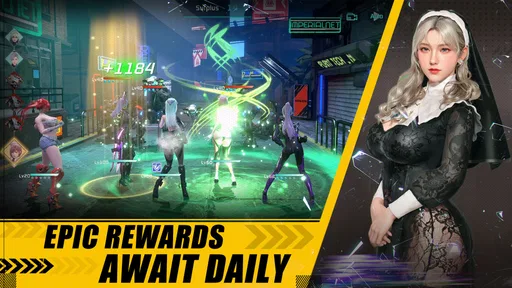
If you’re into multiplayer games, you’re in luck. Grand Goddess: Core Era offers a robust multiplayer mode where you can either team up with friends or go head-to-head against players from around the globe. The competitive spirit is alive and well here, and the leaderboards add an extra layer of motivation to keep improving your strategy.
But hey, if multiplayer isn’t your thing, the solo campaign is just as engaging. There’s plenty of content to keep you entertained for hours on end.
The choice between solo and multiplayer is a useful way to manage the game’s social pressure. If you like comparing strategies, competition can give repeated sessions a clear purpose. If leaderboards make a game feel like an obligation, stick to the solo side and decide for yourself when a session is enough. Compared with a conventional single-player adventure, this one has a broader social angle; compared with a purely competitive strategy game, its mythology and story give you another reason to play when you do not feel like measuring yourself against others.
Month-to-month value: what can keep the loop fresh
Long-term value depends less on the size of the opening reward than on whether the mix of building, character choices, story, and player interaction continues to feel worthwhile. I would give the game a fair trial across different kinds of sessions: one focused on the campaign, another on improving your approach, and another exploring the social side. If only one of those parts appeals, that is still useful to know; you can make that part the center of your routine instead of trying to complete everything.
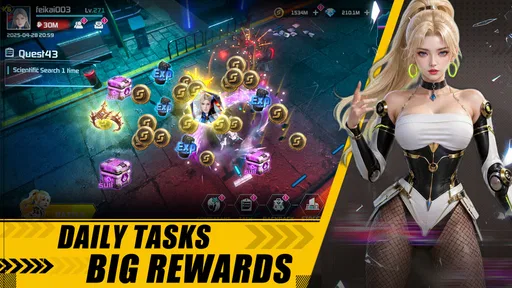
A realistic everyday use case is opening it after dinner when you have a little time but do not want to commit to a long console session. I’d pick a single objective, such as progressing through a story section or checking a strategic choice, then stop when that objective is done. This small boundary matters in games with several systems: it makes the habit feel intentional rather than like an endless sequence of prompts. On a busy day, the better choice may be to skip a session instead of turning leisure into another chore.
In-App Purchases: A Double-Edged Sword
Now, let’s talk about the elephant in the room—in-app purchases. They’re there, and while they can speed up your progress, they’re not necessary to enjoy the game. I appreciate that the developers didn’t make it a pay-to-win scenario. You can totally thrive without spending a dime, which is refreshing.
However, if you’re looking to support the developers or just want that extra edge, there are plenty of options available.
My practical advice is to decide on a spending boundary before a tempting offer appears, especially if you are drawn in by recruitment rewards. Free access makes the game easy to sample, but it does not mean every optional purchase is necessary for your enjoyment. If you are comfortable progressing at your own pace, patience is part of the bargain. If you dislike games that place paid shortcuts alongside progression, that friction may outweigh the appeal even when spending is optional.
Maintenance burden and sources of fatigue
The ongoing commitment is the part I would watch most closely. A game that combines several activities can offer variety, but it can also make a returning player feel as if there is always another system to check. I would not treat every available activity as a daily assignment. Instead, keep the parts that feel rewarding and let the rest wait; a game earns space in my routine when I can play on my terms.
There are a few common fatigue points to notice in your own first stretch with it. If you find yourself making upgrades without caring why, or opening the game mainly to clear notifications, the habit may be running ahead of the fun. Likewise, competition can be motivating one week and tiring the next. Taking a break from leaderboards or focusing on the story is a sensible adjustment, not a failure to keep up.
For players comparing it with other mobile adventures, the key distinction is its combination of empire-building, tactical RPG elements, mythological characters, and multiplayer. A more linear adventure is a better pick if you want one directed narrative without ongoing strategic upkeep. A simpler casual game is better when you want quick play with little planning. I would choose this one when I specifically want a fantasy setting plus decisions to revisit, rather than merely a distraction that asks nothing of me.
Who should give it a try—and who may want another game
I’d recommend trying it if you enjoy mythology, like weighing tactical choices, and are happy to shape your own play routine. It may also suit someone who wants the option to play solo but appreciates having multiplayer available when the mood strikes. Its Everyone rating makes it broadly accessible, though the best fit still depends on whether the ongoing structure appeals to you personally.
I would steer away if you strongly prefer a short, complete campaign, dislike optional purchases in free games, or find leaderboards and recurring systems stressful. Those are not small preferences: they affect whether the game feels like a relaxing hobby or an obligation. Before settling in, ask yourself whether you enjoy managing a roster and returning to a world over time. If not, a straightforward story adventure is probably a better match.
Final Thoughts: Worth the Download?
At the end of the day, Grand Goddess: Core Era is a solid addition to any gamer’s library. It’s got the perfect mix of strategy, story, and social interaction to keep you coming back for more. Plus, the frequent updates and events ensure that the game stays fresh and exciting.
If you’re into games that challenge your mind and immerse you in a rich world of mythology and strategy, give this one a go. Download it, dive in, and join the adventure. Trust me, you won’t regret it!
My longer-term test would be simple: after the initial excitement, do I still choose to open it because I want another story beat, a tactical decision, or a session with other players? If the answer is yes, it has earned a place in my rotation. If I am returning only out of habit or pressure, I would step back and play something with a cleaner stopping point. Its strongest case is the blend of fantasy characters and strategic activity; its lasting value depends on whether that blend remains enjoyable for you once the first-week curiosity settles.
Pros
- Stunning graphics with intricate details.
- Engaging storyline keeps players hooked.
- Wide variety of characters to choose from.
- Intuitive controls for a smooth experience.
- Regular updates with new content.
Cons
- Requires constant internet connection.
- In-app purchases can get expensive.
- Occasional bugs disrupt gameplay.
- High battery consumption during play.
- Large download size may be an issue.
FAQs for Grand Goddess: Core Era
What platforms is Grand Goddess: Core Era available on?
Grand Goddess: Core Era is available for both Android and iOS devices. You can download it from the Google Play Store for Android and the App Store for iOS. Ensure your device meets the minimum system requirements for optimal performance.
What are the main features of Grand Goddess: Core Era?
Grand Goddess: Core Era offers a rich blend of strategic gameplay, character development, and immersive storytelling. Players can embark on epic quests, engage in battles, and unlock powerful goddesses to aid them. The game also includes social features like guilds and PvP battles.
Is Grand Goddess: Core Era free to play?
Yes, Grand Goddess: Core Era is free to download and play. However, it includes in-app purchases for virtual items, currency, and premium features. These purchases can enhance gameplay but are not mandatory to enjoy the game.
Does Grand Goddess: Core Era require an internet connection?
Yes, an internet connection is required to play Grand Goddess: Core Era. This ensures that players can access real-time updates, engage in multiplayer battles, and participate in events. A stable connection is recommended for the best experience.
What age rating is Grand Goddess: Core Era suitable for?
Grand Goddess: Core Era is rated for players aged 12 and above. The game contains fantasy violence and mild suggestive themes, making it suitable for teens and adults. Parents should review the content to ensure it aligns with their preferences.


